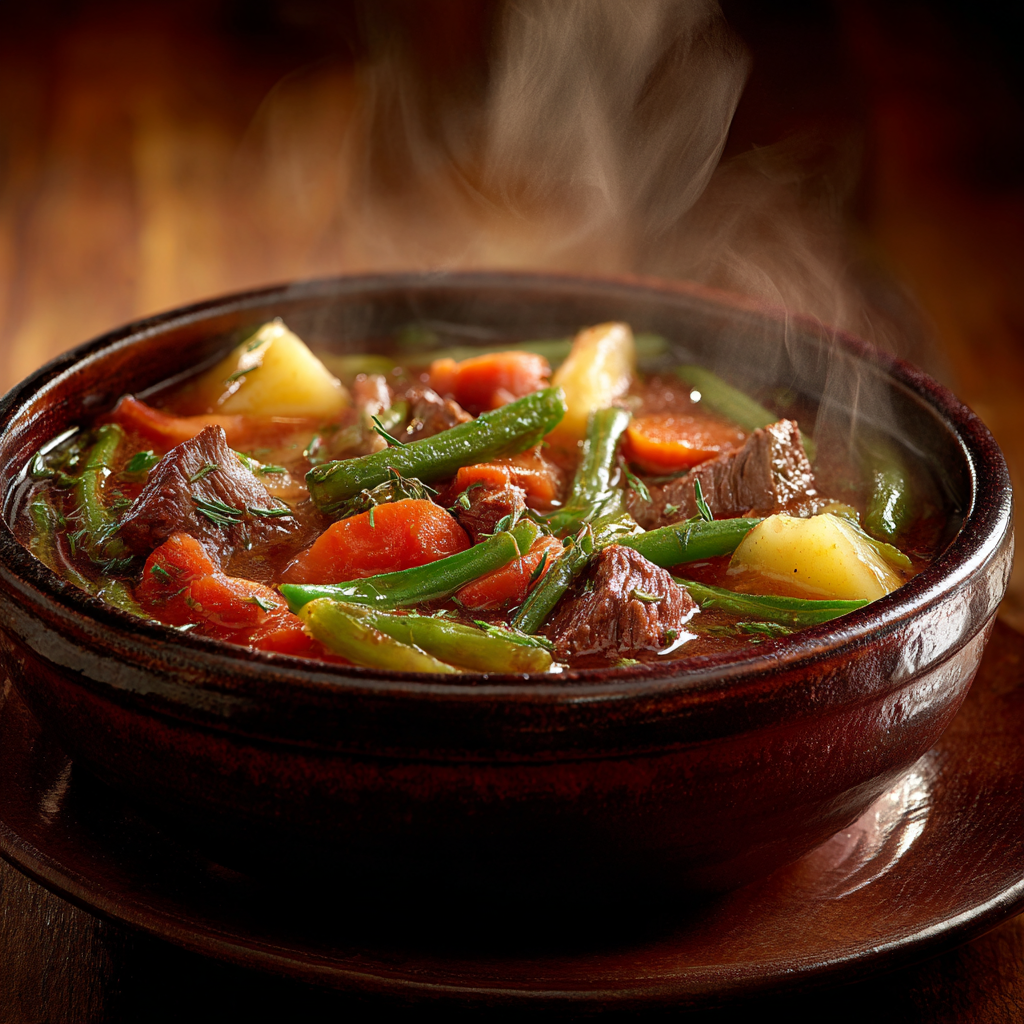
Some recipes carry more than flavor—they carry memories. Old-fashioned vegetable beef soup is one of those dishes that feels like it has been passed down quietly through generations, simmering on the stove while stories unfold around the kitchen table. It’s the kind of soup that fills the house with warmth long before the first spoonful is served, promising comfort, nourishment, and a sense of home.
This soup is deeply rooted in simplicity. Tender beef, hearty vegetables, and a rich, slow-simmered broth come together to create a meal that feels both wholesome and grounding. There’s no rush with a recipe like this. It invites patience, rewarding you with layers of flavor that only develop over time. Every ingredient has a purpose, and nothing feels unnecessary.
More breakfast ideas you’ll love
Old-fashioned vegetable beef soup isn’t about trends or shortcuts. It’s about cooking the way people always have—using what’s available, letting flavors build naturally, and creating a dish that feeds both body and soul. It’s the kind of soup you make on a chilly afternoon, knowing it will taste even better the next day.
Whether you grew up with a similar pot bubbling on the stove or you’re discovering it for the first time, this recipe feels instantly familiar. It’s hearty without being heavy, comforting without being bland, and satisfying in a way that modern, fast recipes rarely are.
One bowl is enough to slow you down. Two bowls make you nostalgic. And before you know it, this soup becomes part of your own traditions—made again and again, each time with the same quiet promise of comfort.
Why You’ll Love This Recipe
There’s a reason old-fashioned vegetable beef soup never goes out of style.
First, it’s deeply comforting. The slow-cooked beef and tender vegetables create a rich, savory broth that feels warming and satisfying with every bite.
Second, it’s simple and honest. No complicated techniques or fancy ingredients—just classic cooking done right.
Third, it’s perfect for make-ahead meals. Like most soups, it tastes even better the next day as the flavors continue to meld.
Finally, it’s nourishing and filling. Packed with protein, vegetables, and hearty broth, it’s a complete meal in one bowl.
This is the kind of recipe you turn to when you want something reliable, comforting, and deeply satisfying—no matter the season.
Ingredients + Tips
Key Ingredients
-
Beef (Chuck or Stew Meat): Becomes tender and flavorful with slow cooking.
-
Onion & Garlic: Build the aromatic foundation.
-
Carrots, Potatoes, Celery: Add sweetness, texture, and heartiness.
-
Tomatoes: Bring acidity and balance to the broth.
-
Beef Broth: Forms the rich base of the soup.
-
Green Beans & Corn: Add color and classic flavor.
-
Seasonings: Salt, pepper, bay leaves, and herbs.
Helpful Tips
-
Brown the beef first to deepen flavor.
-
Cut vegetables into similar-sized pieces for even cooking.
-
Simmer gently—boiling too hard can toughen the meat.
-
Taste and adjust seasoning near the end.
Simple ingredients, treated with care, are what make this soup shine.
Instructions / Steps
-
Heat oil in a large pot over medium heat.
-
Brown the beef in batches until well-colored. Remove and set aside.
-
Sauté onion and garlic until fragrant.
-
Return beef to the pot and add beef broth and tomatoes.
-
Bring to a gentle simmer and cook for about 45 minutes.
-
Add carrots, potatoes, celery, and seasonings.
-
Simmer until vegetables are tender and beef is soft.
-
Stir in green beans and corn.
-
Continue simmering for 10–15 minutes.
-
Adjust seasoning and remove bay leaves before serving.
Tips for Success
-
Don’t rush the simmer: Slow cooking creates tender beef.
-
Skim excess fat: Keeps the broth clean and balanced.
-
Season gradually: Layering seasoning improves depth.
-
Use a heavy pot: Helps maintain steady heat.
-
Let it rest: Soup tastes better after sitting for a bit.
These small details elevate a humble soup into something memorable.
Variations
Old-fashioned vegetable beef soup adapts beautifully.
-
Tomato-Forward: Add extra tomatoes for a richer broth.
-
Herb-Enhanced: Thyme or rosemary adds warmth.
-
Spicy Touch: A pinch of chili flakes for heat.
-
Low-Carb: Skip potatoes and add more greens.
-
Slow Cooker Version: Cook low and slow for ease.
Each variation keeps the soul of the soup intact.
Storage & Reheating
Store soup in an airtight container in the refrigerator for up to 4 days.
Freeze for up to 3 months.
Reheat gently on the stovetop or microwave until hot.
Serving Suggestions
This soup is perfect on its own, but pairs beautifully with:
-
Crusty bread or dinner rolls
-
Cornbread or biscuits
-
Simple green salad
-
Crackers with butter
Serve it hot, preferably in deep bowls, for maximum comfort.
Old-Fashioned Vegetable Beef Soup (Hearty & Comforting)
Ingredients
Method
- Heat olive oil in a large pot over medium heat.
- Brown beef in batches until well seared. Remove and set aside.
- Add onion to the pot and cook until softened. Add garlic and cook 30 seconds.
- Return beef to the pot. Add beef broth, diced tomatoes, bay leaf, and thyme.
- Bring to a gentle simmer, cover, and cook for 45 minutes.
- Add carrots, celery, and potatoes. Simmer 20–25 minutes until tender.
- Stir in green beans and corn. Cook 10–15 minutes more.
- Season with salt and pepper. Remove bay leaf before serving.
Notes
Conclusion
Old-fashioned vegetable beef soup is more than a recipe—it’s a reminder of slower days, shared meals, and food made with care. It’s the kind of dish that doesn’t need reinvention because it already does exactly what it’s meant to do: comfort, nourish, and bring people together.
Every spoonful tells a story of patience and simplicity. The tender beef, the soft vegetables, and the rich broth work in quiet harmony, creating a meal that feels deeply satisfying without being complicated. It’s a soup that fills you up and settles you down.
Whether you make it for your family, for guests, or just for yourself, this recipe has a way of becoming part of your routine. It’s dependable, forgiving, and endlessly comforting. And in a world that moves too fast, that kind of recipe is something truly special.
Once you make it, you’ll understand why it’s been loved for generations—and why it always will be.