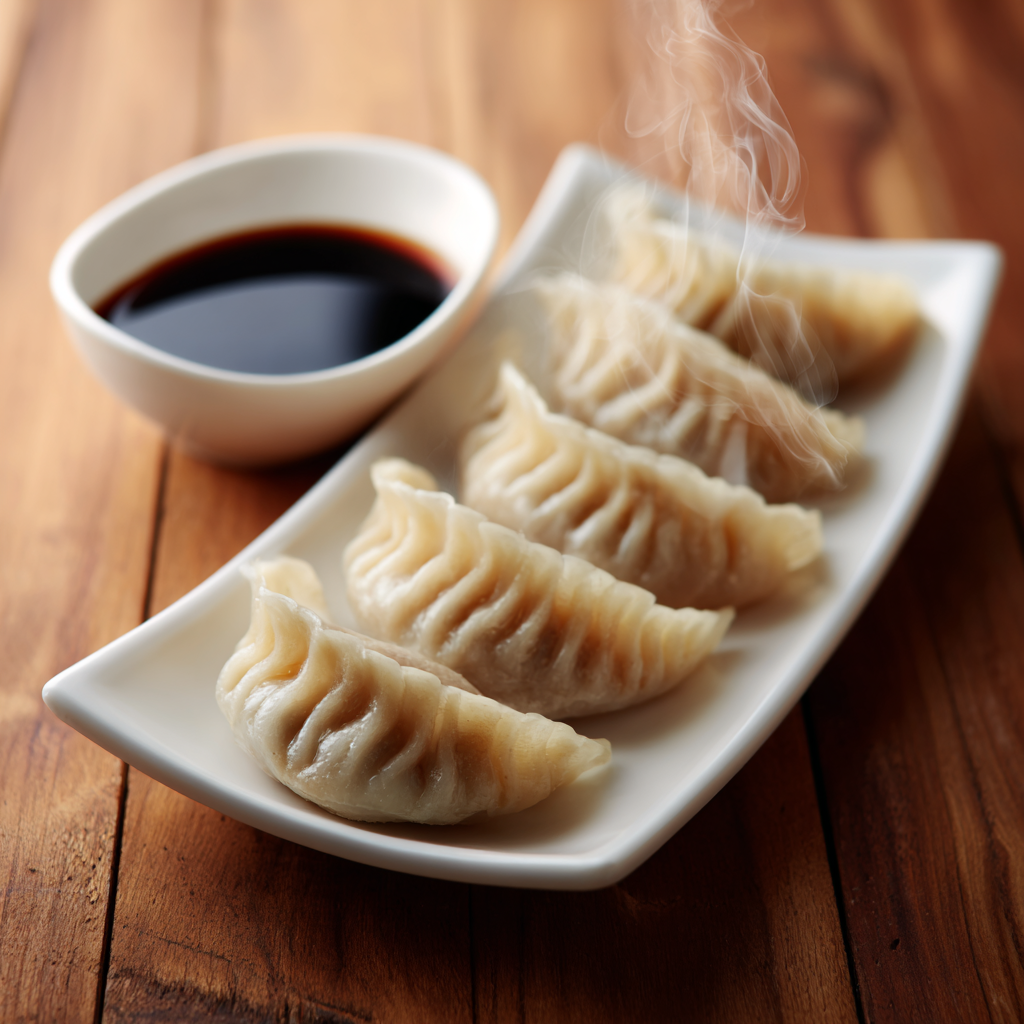
Chinese dumplings, or jiaozi, are one of the most beloved comfort foods in Chinese cuisine—warm, tender, flavorful parcels that bring people together around the table. Whether steamed, boiled, or pan-fried, dumplings represent much more than just a meal. They are a celebration of tradition, family, and the joy of sharing delicious food. For many people, making dumplings is a treasured ritual passed down through generations, often prepared during holidays like Lunar New Year, but also enjoyed any time a nourishing, satisfying dish is needed. Even if you’ve never made dumplings before, the process is surprisingly approachable, fun, and incredibly rewarding.
What makes Chinese dumplings so special is how customizable they are. The filling can be simple or elaborate, traditional or modern, vegetarian or meat-based, spicy or mild. You can use finely chopped pork and cabbage, shrimp and garlic chives, chicken and mushrooms, or even plant-based ingredients like tofu and veggies. Each combination offers a completely different experience, yet all of them are wrapped in the same delicate dough that becomes tender and juicy once cooked. The moment you bite into a perfectly folded dumpling—warm broth inside, savory filling, and soft wrapper—you instantly understand why dumplings are loved around the world.
More breakfast ideas you’ll love
Making dumplings at home may seem intimidating at first, but once you learn a few essential techniques—how to mix the filling, how to fold the wrappers, and how to cook them properly—you’ll realize just how enjoyable the process truly is. It becomes a relaxing, hands-on cooking experience that brings creativity into your kitchen. You can fold dumplings alone while listening to music, prepare them with family, or invite friends over for a fun dumpling-making night. No matter how you choose to enjoy them, homemade dumplings always taste more rewarding than store-bought ones. This guide will show you step-by-step how to make authentic Chinese dumplings with confidence, even as a beginner.
Why You’ll Love These Homemade Chinese Dumplings
Homemade Chinese dumplings are one of the most rewarding dishes you can prepare in your kitchen. They offer a beautiful balance of rich flavors, tender textures, and warm comfort that instantly makes you feel at home. Unlike store-bought versions, homemade dumplings allow you to control the freshness, quality, and seasoning of every ingredient. You can adjust the filling to your taste, fold each dumpling with care, and choose the cooking method you enjoy most—whether boiled, steamed, or pan-fried to a golden crisp. Every step brings you closer to a dish that feels personal, satisfying, and full of traditional flavor.
One of the greatest advantages of learning how to make dumplings is realizing just how versatile they are. This single recipe opens the door to endless variations: pork and cabbage for a classic version, shrimp and chives for a fragrant seafood option, chicken and mushrooms for a lighter twist, or fully vegetarian fillings for plant-based eaters. You can make them spicy, mild, garlicky, herbal, or even soup-filled. The freedom to create your own combinations makes dumpling-making an exciting and creative cooking experience.
Most importantly, dumplings have a cultural charm that makes them special. They’re more than just food—they’re a symbol of gatherings, celebrations, and shared memories. Making dumplings together creates a sense of connection. It becomes an activity filled with laughter, conversation, and the joy of creating something delicious as a group. Whether you’re crafting dumplings alone in a quiet kitchen or preparing them with family and friends, the experience is always meaningful and enjoyable.
Ingredients & Best Tips for Perfect Dumplings
To make authentic dumplings, you need only a few essential ingredients, but each plays an important role in the final result. The most common filling is ground pork mixed with finely chopped vegetables like napa cabbage, garlic chives, scallions, or mushrooms. Pork adds richness and juiciness because of its natural fat content, which keeps the filling tender when cooked. If you prefer a lighter option, you can substitute pork with chicken, turkey, shrimp, or a mix of tofu and vegetables.
When choosing dumpling wrappers, you can either make them from scratch or buy ready-made wrappers from an Asian grocery store. Store-bought wrappers are extremely convenient and work beautifully for beginners. Look for “Dumpling Wrappers” or “Gyoza Wrappers”—not wonton wrappers, which are too thin. For homemade wrappers, a simple dough of flour and water creates a soft, elastic dough that’s easy to roll out and holds fillings well.
A few key tips will help you achieve the best flavor and texture:
-
Salt the chopped cabbage lightly and squeeze out excess water to avoid a soggy filling.
-
Always mix the filling in one direction to improve its texture and make it cohesive.
-
Add a bit of sesame oil, soy sauce, and ginger for fragrance.
-
Keep the wrappers covered with a damp towel while working to prevent them from drying out.
-
Do not overfill—this makes sealing the dumplings difficult and may cause them to burst while cooking.
With these simple techniques, your dumplings will turn out juicy, flavorful, and beautifully shaped each time.
How to Make Chinese Dumplings (Step-by-Step Guide)
Making dumplings may seem complicated at first, but once you learn the process, it becomes incredibly fun and satisfying.
Step 1: Prepare the Filling
Combine ground meat (or vegetables), finely chopped cabbage, scallions, ginger, garlic, soy sauce, sesame oil, and a pinch of salt. Mix in one direction until the filling becomes sticky and well combined. This ensures the dumplings hold together and remain juicy.
Step 2: Set Up Your Wrapping Station
Place a stack of dumpling wrappers on a plate and cover them with a damp cloth. Keep a small bowl of water next to you. Water acts as glue to help seal the edges.
Step 3: Fill and Fold
Place one teaspoon of filling in the center of a wrapper. Dip your finger in water and wet the edges. Fold the wrapper in half, then pinch the center to seal. Create small pleats on each side for a traditional look, or simply press firmly to seal if you prefer a beginner-friendly method.
Step 4: Arrange the Dumplings
Place finished dumplings on a floured tray or parchment-lined surface to prevent sticking. Keep them spaced apart so they don’t touch.
Step 5: Cook Them Your Favorite Way
You can now boil, steam, or pan-fry your dumplings. Each method produces a different texture, but all taste delicious.
Cooking Methods: Boiled, Steamed & Pan-Fried
Boiled Dumplings (Shuǐjiǎo)
This is the most traditional method. Bring a pot of water to a boil, add dumplings, and gently stir to prevent sticking. When they float, let them cook for another 1–2 minutes. They will be soft, juicy, and tender.
Steamed Dumplings (Zhēngjiǎo)
Steam dumplings in a bamboo steamer lined with cabbage leaves or parchment. This method gives you dumplings with a delicate, silky texture that holds its shape beautifully.
Pan-Fried Dumplings (Guōtiē / Potstickers)
Heat oil in a skillet, arrange dumplings in a single layer, sear until golden brown, then add water and cover to steam. This method produces a crispy bottom with a soft, juicy top—an irresistible combination.
Variations: Filling Ideas for Every Taste
-
Pork & Cabbage – Classic, juicy, and full of traditional flavor.
-
Shrimp & Chives – Light, aromatic, and perfect for seafood lovers.
-
Chicken & Mushroom – A hearty option with deep umami notes.
-
Vegetarian Tofu & Veggies – Balanced, nutritious, and delicious.
-
Beef & Onion – Rich and savory with a stronger flavor profile.
-
Spicy Sichuan Style – Add chili oil, Sichuan peppercorn, and garlic for heat.
Each variation uses the same dumpling-making technique, making it easy to switch flavors whenever you want.
Storage, Freezing & Reheating
Dumplings freeze exceptionally well, making them a great make-ahead dish. Arrange uncooked dumplings on a tray and freeze until solid. Transfer them into a freezer bag and store for up to 3 months. When cooking from frozen, there’s no need to thaw—simply boil, steam, or pan-fry as usual.
Cooked dumplings can be refrigerated for 2–3 days. Reheat by steaming or pan-frying to restore their texture.
Serving Suggestions
Chinese dumplings pair beautifully with dipping sauces. A simple mix of soy sauce, rice vinegar, garlic, and sesame oil is classic, but you can also add chili crisp for heat or black vinegar for deeper flavor. Serve dumplings with soups, noodles, stir-fried greens, or as part of a festive family-style dinner.
Chinese Dumplings (Jiaozi) – Homemade Traditional Dumplings
Ingredients
Method
- In a bowl, combine ground pork, chopped cabbage, scallions, ginger, soy sauce, sesame oil, salt, sugar, and white pepper. Mix in one direction until sticky.
- Place a dumpling wrapper in your palm and add 1 teaspoon of filling in the center.
- Wet the edges with water and fold the wrapper in half. Pleat the edges to seal tightly.
- Repeat until all dumplings are wrapped.
- To Boil:
- Bring a pot of water to a boil. Add dumplings and gently stir. When they float, cook for 1–2 more minutes.
- To Steam:
- Steam dumplings for 10 minutes in a bamboo or metal steamer lined with parchment or cabbage leaves.
- To Pan-Fry (Potstickers):
- Heat 1 tbsp oil in a pan. Add dumplings and fry until golden. Add 1/4 cup water, cover, and steam until water evaporates.
Notes
• Do not thaw before cooking—cook directly from frozen.
• Add shrimp, mushrooms, or tofu for filling variations.
• Keep wrappers covered to prevent drying.
• Add chili oil or vinegar to dipping sauce for stronger flavor. Approximate values per dumpling: Carbs 6g – Protein 4g – Fat 3g.
Final Thoughts
Chinese dumplings are more than just a recipe—they are a cultural experience, a family tradition, and a comforting food that speaks to people across generations. When you make them at home, you participate in a shared ritual that has existed for centuries, shaping dough, folding wrappers, and building flavors that connect the past with the present. Each dumpling carries warmth, care, and creativity. Even if your folds aren’t perfect or your pleats are uneven, the satisfaction of creating dumplings from scratch is unmatched.
The beauty of dumplings lies in their versatility. You can enjoy them for dinner, freeze them for later, or share them with guests. They adapt to any flavor profile and remain surprisingly simple to prepare once you understand the basics. As you continue practicing, your confidence and speed will grow, transforming dumpling-making into a relaxing and enjoyable kitchen ritual. Whether you’re looking for comfort food, a fun cooking project, or a dish to impress your loved ones, homemade dumplings will always deliver. With this guide, you’re now ready to create authentic Chinese dumplings full of flavor, tradition, and joy.